
Wisdom Tooth Extraction Dubai: Signs You Need Removal and How the Procedure Works
- Mar 28
- 6 min read
Wisdom tooth extraction in Dubai is one of the most commonly searched dental procedures, and that makes sense. Most people spend weeks or even months ignoring a nagging ache at the back of their jaw before they finally look into what is causing it.
The fear of the procedure itself, combined with not knowing whether the tooth actually needs to come out, tends to keep people stuck.
This guide cuts through that uncertainty, walking you through the clear signs that removal is necessary, what the procedure actually involves, and what a normal recovery looks like so you can make an informed decision without second-guessing yourself.
Why Wisdom Teeth Cause Problems for So Many People
Wisdom teeth, also called third molars, are the last teeth to erupt. They typically appear somewhere between the late teens and mid-twenties, long after the rest of the adult teeth have already settled into position. By that point, there is often very little room left in the jaw to accommodate them properly.
When a wisdom tooth does not have enough space to emerge fully, it becomes what dentists call impacted. An impacted tooth can grow at an angle toward the neighboring molar, push upward against bone, or remain partially submerged beneath the gum line.
Any of these scenarios creates a situation that does not resolve on its own. Without treatment, the problems tend to accumulate over time rather than settle down.
Not every wisdom tooth causes immediate trouble. Some come through cleanly and do not disturb surrounding teeth at all.
But a significant number of people will need a wisdom tooth extraction in Dubai, or wherever they are based, at some point in their adult life, either because of active symptoms or as a preventive step recommended by their dentist.
Clear Signs That a Wisdom Tooth Extraction in Dubai May Be Necessary
Knowing what to look out for helps you act at the right time rather than waiting until the problem has worsened. Here are the most common indicators that an extraction is likely needed.
Persistent pain or pressure at the back of the jaw. A dull, consistent ache near your back molars, especially if it spreads toward the ear or jaw, is often the first sign that a wisdom tooth is pushing against surrounding tissue or bone.
Swollen, tender, or bleeding gums around the area. When a tooth is only partially emerged, the gum flap covering it traps food and bacteria. This creates a breeding ground for infection, which causes localized inflammation and can progress quickly without treatment.
Recurring infections near the back teeth. If the same area keeps becoming inflamed, swollen, or infected, the underlying cause is usually a partially erupted wisdom tooth that cannot be kept clean properly with regular brushing.
Crowding or shifting of nearby teeth. A wisdom tooth pressing against an adjacent molar can push it out of alignment. If you notice your teeth beginning to crowd or shift, it is worth having an X-ray taken to check whether wisdom tooth pressure is involved.
Cysts or trapped food around the tooth. A fluid-filled sac can develop around an impacted wisdom tooth over time. Even without pain, this kind of growth causes bone damage and should be assessed promptly.
Your dentist detects a problem on X-ray before symptoms appear. Many patients find out their wisdom teeth are problematic during a routine appointment.
Dentists often recommend a preventive wisdom tooth extraction in Dubai before complications develop, which simplifies the procedure compared to waiting for an infection or cyst to form.
How a Wisdom Tooth Extraction in Dubai Works
Understanding the steps involved removes a lot of the anxiety around this procedure. The reality is that modern extraction techniques are far more straightforward than most people expect.
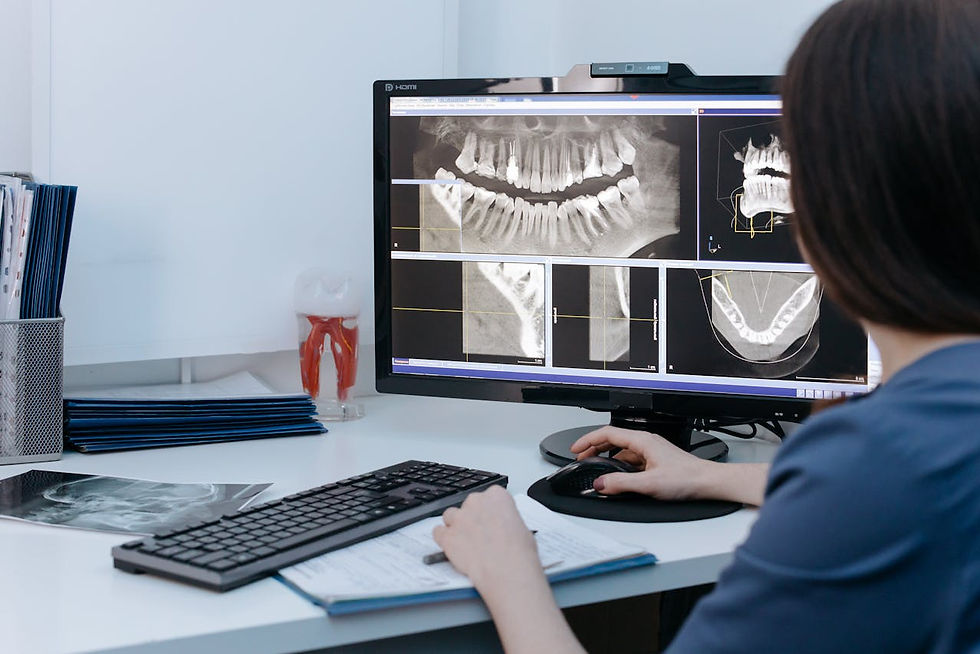
Consultation and imaging. Every extraction starts with an assessment. Your dentist will examine the tooth and take a dental X-ray or cone beam scan to understand the exact position of the wisdom tooth, its root shape, and how close it sits to nearby nerves.
This information determines whether a simple extraction or a surgical one is needed.
Simple vs. surgical extraction. A wisdom tooth that has fully erupted can often be removed with a straightforward extraction, similar to any other tooth removal.
An impacted or partially erupted tooth requires a minor surgical approach, where the dentist makes a small incision in the gum to access the tooth. In some cases, the tooth is divided into sections to make removal easier. Both are done under local anesthesia.
During the procedure. The area is fully numbed before anything begins. You will feel pressure during the extraction but not sharp pain. Most patients are surprised by how quickly it is over. Straightforward cases are done within thirty minutes. More complex ones may take longer, but you remain comfortable throughout.
Stitches and immediate aftercare. Once the tooth is out, the site is cleaned and gauze is placed to control bleeding. Your dentist may place dissolving stitches if the procedure was surgical. You will receive specific aftercare instructions before you leave, which are important to follow in the first 48 hours.
What Recovery from a Wisdom Tooth Extraction in Dubai Looks Like
The first few days after extraction are the most important for healing, and managing this period well prevents most complications.
Mild soreness, swelling, and some bleeding in the first 24 to 48 hours are normal. Swelling typically peaks around day two or three before gradually subsiding. Applying a cold compress to the outside of the jaw during the first 24 hours helps keep it down.
Stick to soft foods for the first week. Soups, yogurt, scrambled eggs, and mashed options are easy to manage without disturbing the extraction site. Avoid hard, crunchy, or chewy foods during this window.
Also avoid using a straw, smoking, or spitting forcefully, as these actions can dislodge the blood clot in the socket. If that clot is lost, a painful condition called dry socket can develop.
Pain that peaks two to three days after surgery and then begins to ease is normal. Pain that suddenly worsens after day three, or is accompanied by fever or swelling spreading toward the neck or throat, needs to be assessed by a dentist without delay.
For longer-term guidance on maintaining your oral health care after any dental procedure, including extraction, the practices that support clean and healthy healing are worth building into your daily routine well before any surgery takes place.
Getting the Right Care for Your Situation
Wisdom tooth extraction in Dubai varies in complexity from one patient to the next, which is why the quality of the initial assessment matters so much.
A thorough X-ray evaluation, clear communication about what the procedure involves, and realistic aftercare guidance are what separate a straightforward experience from an unnecessarily stressful one.
Dubai's climate and lifestyle can also work against healing if you are not mindful. The dry heat, frequent air-conditioned environments, and tendency to consume spicy or highly seasoned food all add up.
Following the dental care tips that account for this environment helps patients in Dubai recover faster and with fewer post-operative issues.
Best Dental Clinic in Al Rigga, Dubai, handles both straightforward and surgical extractions with transparent pricing and a comfortable, patient-focused approach.
Understanding what sets a clinic apart before you book is worth the time, and reading about what defines an exceptional clinic in terms of care standards makes that easier.
The clinic's team includes practitioners like Dr. Jay, who is particularly noted for making patients feel at ease during procedures that can feel daunting going in.
Frequently Asked Questions (FAQs)
1. Is Wisdom Tooth Extraction in Dubai Painful?
The procedure itself is performed under local anesthesia, so you should not feel pain during the extraction. Pressure and movement are normal sensations.
Post-operative soreness is expected for two to four days and is manageable with standard pain relief. If your pain worsens significantly after the third day, contact your dentist to rule out dry socket or infection.
2. How Long Does Recovery Take?
Most patients are back to their regular routine within three to four days for basic extractions. Surgical removals involving impacted teeth may require five to seven days before you feel fully comfortable.
Complete tissue healing takes several weeks, but this happens in the background without affecting your daily life after the first week.
3. Do All Wisdom Teeth Need to Be Removed?
Not necessarily. Wisdom teeth that have fully erupted, sit in proper alignment, and can be cleaned effectively do not need to be extracted.
However, if they are impacted, partially erupted, causing crowding, or showing signs of decay or infection, removal is the recommended course of action. Your dentist will assess this through examination and imaging.
4. What Should I Eat After a Wisdom Tooth Extraction in Dubai?
For the first 24 to 48 hours, cool or lukewarm soft foods are easiest on the extraction site. Soups, yogurt, smoothies consumed without a straw, soft rice, and mashed vegetables all work well. Avoid hot liquids, carbonated drinks, hard foods, and anything that requires significant chewing for at least the first five to seven days.
5. What Is Dry Socket and How Do I Avoid It?
Dry socket happens when the blood clot that forms in the extraction socket becomes dislodged or dissolves before the wound has healed. It causes significant pain, typically starting two to three days after surgery.
To reduce the risk, avoid using straws, smoking, spitting forcefully, and rinsing aggressively in the first 48 hours. Gently rinsing with warm salt water after the first day supports healing without disturbing the clot.


.jpg)


Comments